Fueling Up is a column from C-Store Dive offering a fresh perspective on the top news and trends in the convenience store industry.
Convenience retailing continues to consolidate at a rapid pace, with the industry’s largest players scooping up smaller competitors that are struggling to profit in a difficult operating environment. And when they’re not buying, these large operators are building new sites and reaching new markets.
Although major players like Circle K and Casey’s dominate this growth, many small and midsize c-store operators are growing just as quickly, albeit on a reduced scale. Since most of these operators don’t have hundreds or thousands of stores, the impact of each acquisition or series of builds is more significant.
In late 2024, we broke down the fastest growing small and midsize c-store chains in the U.S. We’re bringing this list back in 2026. Some names remain firmly in place, while others are making their debuts.
Before we dive in, a few parameters:
- This is solely based on store count growth in recent years for chains that had less than 600 company-operated locations at the end of 2025. We kept this list at 350 stores in 2024, but are upping the ante this time around.
- Although Buc-ee’s technically fits that bill, we’ve harped on their ambitious growth plans plenty, so I’m excluding them. They’re a small operator with the recognition of a major chain.
Here are the under-the-radar convenience retailers that have carried out fast and significant growth plans over the past year.
Kent Kwik (Kent Companies)
The Kent Companies, operator of the Kent Kwik banner across nine states in the Southwest and Southeast, has nearly doubled its store count in less than three years — a pace rarely seen among small and midsize convenience operators.
Kent only had about 75 company-operated c-stores as of spring 2023. The company embarked on a buying and building spree around then that hasn’t slowed down yet. It reached 110 locations at the end of 2024, and that number surged to 132 by the end of last year.
Kent’s most notable acquisition last year was its purchase of regional competitor B&B Petroleum and its 15 c-stores, which introduced Texas-based Kent to Louisiana. On the NTI side, Kent is rolling out a food-focused c-store format that features a made-to-order kitchen and drive-thru.
Parker’s Kitchen
Popular southern convenience retailer Parker’s Kitchen is also opening new stores at lightning speed. In October 2023, the retailer had about 76 locations and outlined plans to open 75 new locations by 2027.
At the end of 2024, Parker’s reached 93 locations, and improved to just over 100 sites by the close of 2025. But the expansion appears ready to ramp up.
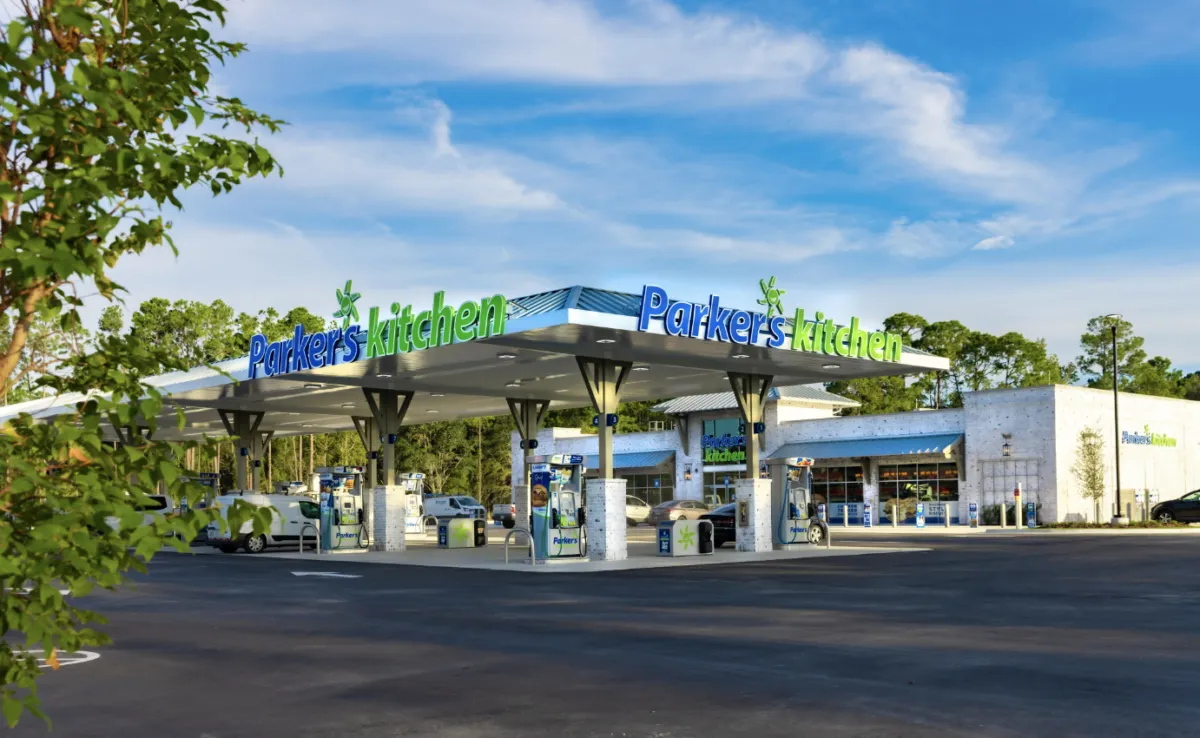
During the 2025 NACS Show in October, Tom Rutledge, the company’s senior director of construction, said Parker’s is aiming to open between 20 and 25 c-stores annually over the next five years. The expansion, Rutledge said, will focus on Parker’s core markets of Georgia and South Carolina, notably in Augusta, Savannah, Charleston, Myrtle Beach and Columbia.
The company could reach as many as 229 convenience stores by the end of the decade — an astronomical jump from the 76 locations it had just a few years ago. That would cement the Savanna-based company as a significant competitive threat in the Southeast.
Mega Saver
Prior to 2025, I had never heard of Mega Saver. But the Omaha, Nebraska-based company made a splash last year that has resulted in the electronics-focused c-store retailer becoming one of the fastest growing players in his industry.
At the start of last year, Mega Saver operated around 40 c-stores across Nebraska, Iowa and Florida. Over the course of several months, the company agreed to acquire 52 sites across Iowa, Kansas and South Dakota from players like Yesway and Maverik. Once all of these deals close, Mega Saver’s c-store network will include nearly 100 locations across five states.
Sunoco
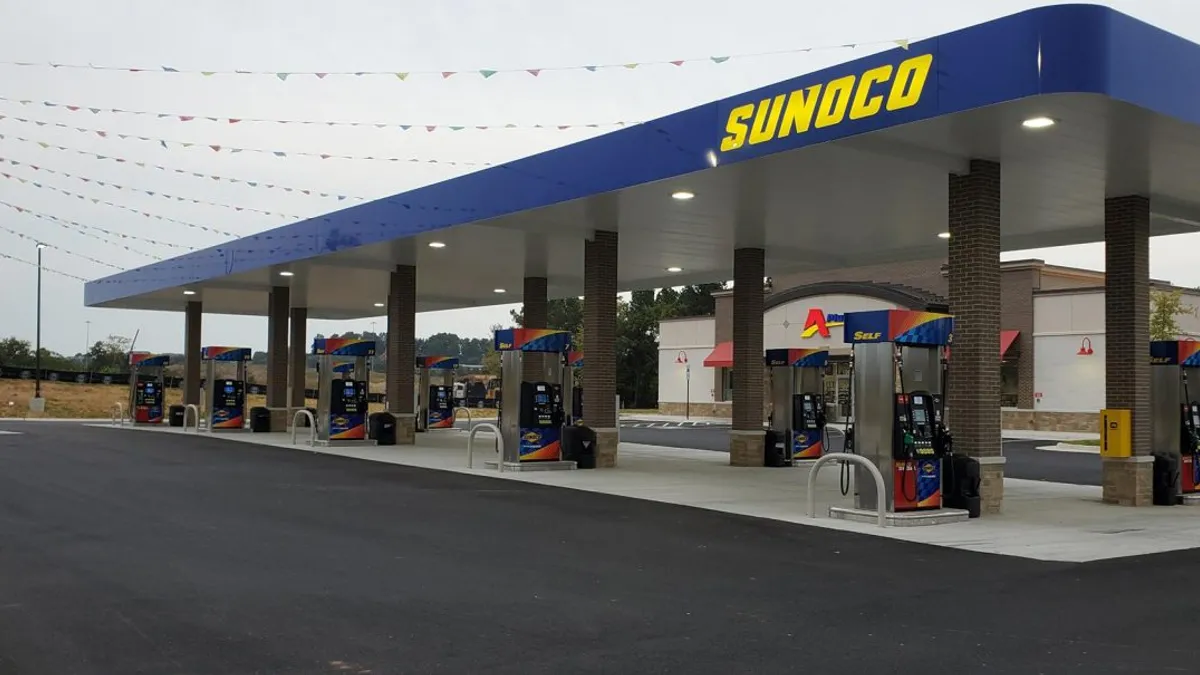
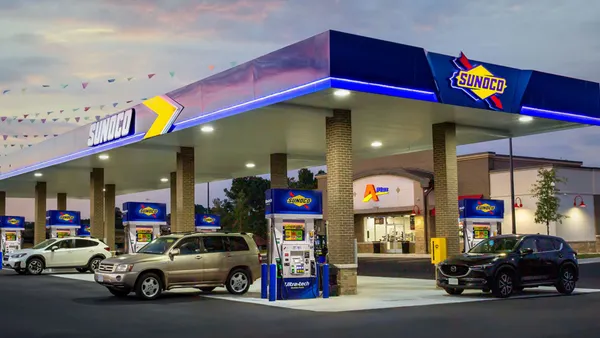
Sunoco probably didn’t expect to find itself running hundreds of U.S. c-stores by the end of 2025 considering it sold most of its company-operated locations to 7-Eleven the year before. With that deal, the Dallas-based oil retailer lowered its company-operated c-store count to 76 locations in New Jersey and Hawaii, barely enough to crack the top 100 largest c-store chains in the country.
That all changed when Sunoco closed on its $9.1 billion acquisition of Canadian c-store and fuel retailer Parkland Corp. in November. The deal brought Parkland’s 122 company-operated c-stores across the U.S., as well as another 128 across Canada and the Caribbean, under Sunoco’s ownership. As a result, Sunoco suddenly found itself with 320 company-operated c-stores across North America, including just under 200 in the U.S.
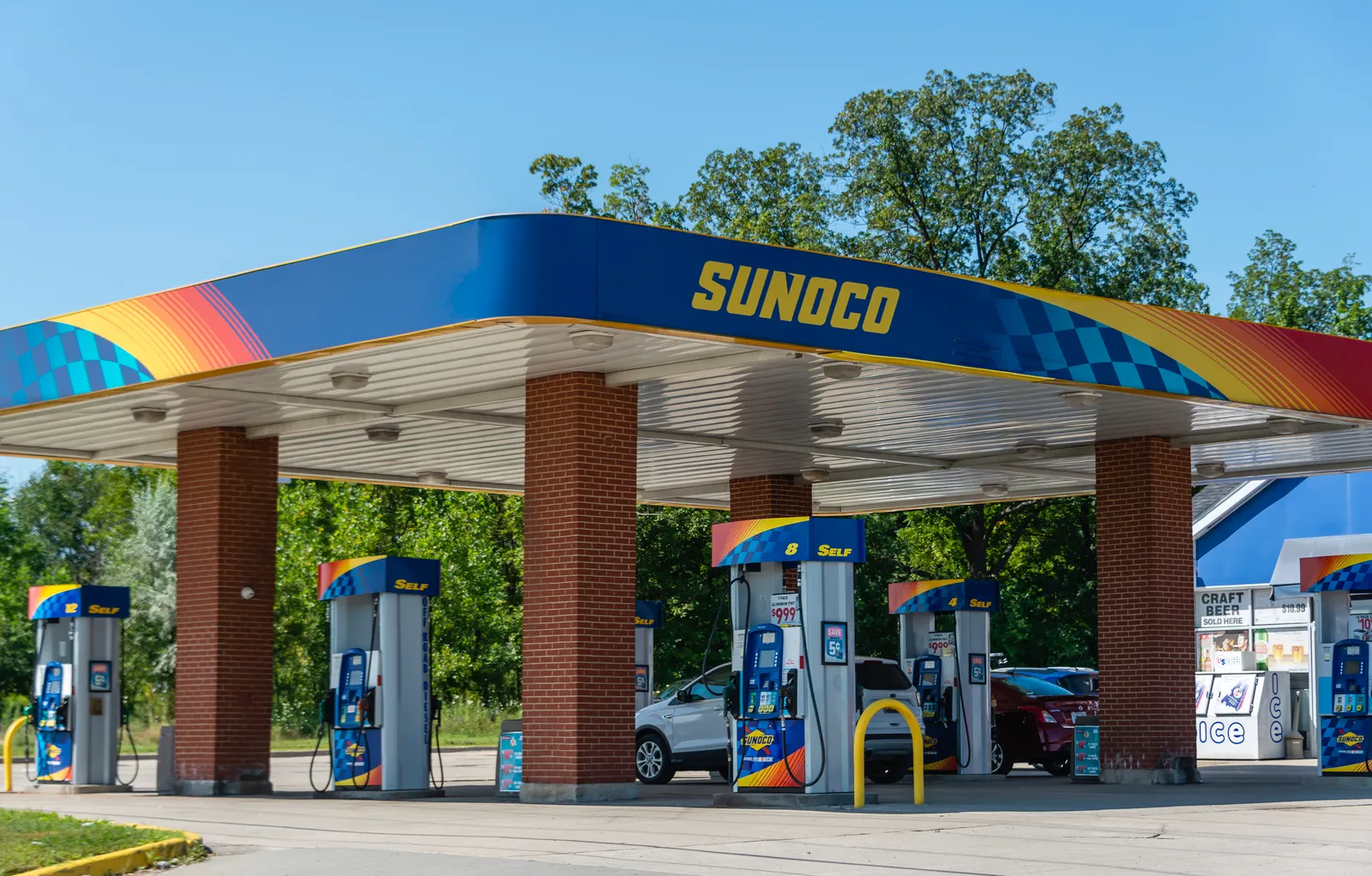
The industry spent months wondering if Sunoco would sell many of these c-stores or invest more in its retail network. Although the company has yet to say how it plans to handle its now expansive c-store network, Sunoco’s actions speak for themselves: The company has already acquired 140 c-stores on the East Coast since the start of 2026 through three separate acquisitions.
Sunoco announced earlier this year that it has a multiyear acquisitions plan totaling at least $500 million annually. The three acquisitions, according to a spokesperson, were part of that plan, meaning the once fuel-focused company is now a serious retail competitor.
Anabi Oil
Anabi Oil operated over 500 locations, mainly through its Rebel Convenience Stores banner, heading into last year. Then it purchased 99 locations through two acquisitions, growing its store network by about 20%.
Its first purchase, which netted the 87-store Green Valley Grocery chain in Nevada in October, ended up as the third-largest deal in 2025. About eight weeks later, Anabi acquired 12 convenience stores from California-based C&J Cox Corporation.
Unlike the rest of the companies on this list, Anabi has not said if it intends to keep growing its network at such a rapid pace, or if last year’s deals were simply a case of being in the right place at the right time. But there’s no doubt that the California-based retailer made a serious jump last year, putting itself in a position to keep running if it wants to do so.